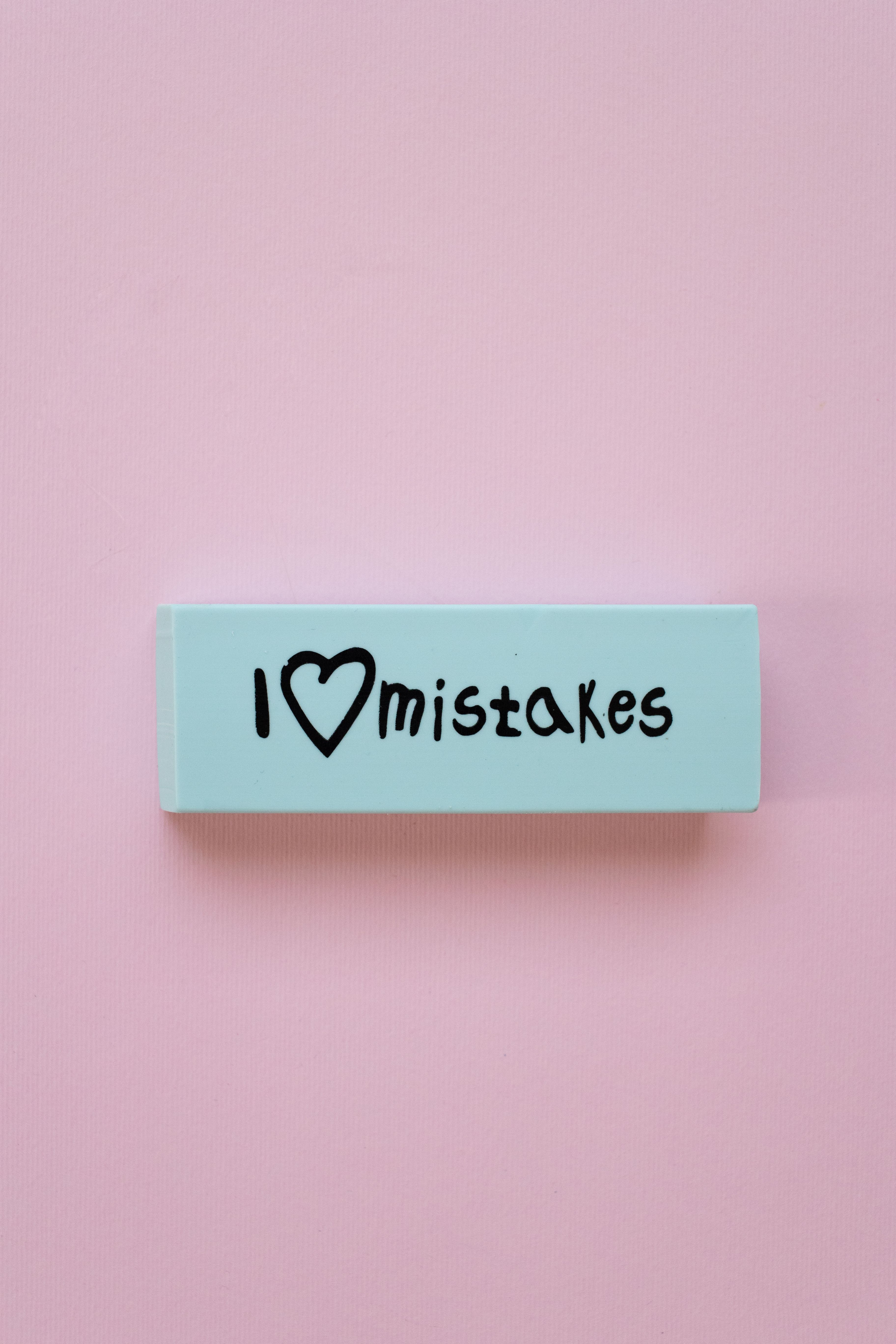

The logo is there – but the domain was snatched from under my nose!
Hook: The moment I pressed Enter, the world didn’t blink. It simply opened. A cursor leapt into a vacuum and filled it with a path. A URL, typed in with casual confidence, becomes a doorway—one keystroke of longing stitched into the fabric of a planet-wide machine. We type a name and watch dreams unfold in real time. The click is effortless, a small ritual in the vast cathedral of the web. And yet behind that simplicity lies a choreography so intricate, so meticulous, that it could seduce you into thinking the Internet is just a storefront for ideas. It isn’t. It is a nervous system.
Deconstruction: A domain is not merely a house for a brand’s doorbell. It is a global coordinate, a front door, a legal deed, and a cognitive anchor all bundled into a string of letters that humans can read and machines can interpret. We traded the cold arithmetic of IPs for the warm familiarity of words: example.com becomes the preferred entrance to a business, a promise in a language we recognize. This shift—this translation from numbers to names—was not mere cosmetics. It redefined trust, commerce, memory. A domain is a map key to a city of packets, a passport stamped by registries, a contract enforced by lawyers and routers alike. It is not a static address; it is a living protocol for attention.
Think of what a domain grants and withholds: it grants identity, continuity, and a predictable cognitive waypoint for customers navigating the fog of countless options. It withholds nothing from chance—its availability is a shard of luck, a moment where intention and system align. When a logo emerges but a preferred domain vanishes, we are confronted with a quiet but relentless truth: the Internet’s elegance is born of scarcity. The domain system—DNS, registrars, root servers, TLDs—was engineered to be scalable, resilient, and fast, yet it remains a fragile weave of human agreements and technical commitments. The abstraction that seems so simple on a screen masks a ledger of legal deeds, jurisdictional quirks, and a global choreography of servers miles apart, all executing a silently synchronized routine every millisecond.
The Blindness: We glide through the web as if we’re strolling through air. We assume the domain is a given, a natural terrain like land and sea, as if it always existed prior to our needs. But every domain is a contract in a registry, a race between registrars and the shadowy extensions of root servers, a civics lesson written in code. When you type a name, you are not just addressing a location; you are invoking a trust scaffold that spans continents. The DNS resolver asks a question to a hierarchy of servers, each a custodian of a sliver of truth—like librarians in a cathedral of neon. The question is sent, the paths are computed, and the answer travels back through fiber conduits—through undersea cables shimmering like neurons in a sleeping brain—and lands in your browser’s waiting palm. It happens fast, almost conspiratorially effortless. But behind it sits an architecture of incentives, policies, and physical realities: ownership disputes, trademark concerns, cyber squabbles, and the quiet math of propagation delays that make a “near” domain feel thousands of miles away in a blink.
To own a domain is to hold a key that opens into a broader, deeper mechanism. It’s a cognitive shortcut that reduces ambiguity: a name that stands for a site, a brand, a story. Yet the domain is also a legal deed—a notarized claim to space on a planet-wide network. It is a vector of trust; it anchors a possibility into a stable reference. And it is a fragile bridge—built upon a string of timeouts and handshakes across routers, a chorus of BGP announcements, a cascade of DNS caches that must remain coherent as the world runs on caffeine and code.
The reality that confronts you when a domain is snatched is not merely a business hiccup. It is a philosophical prompt: what does this digital real estate actually do for your identity, your memory, your relationship with customers? The domain becomes a mirror that reveals your relationship to time, scarcity, and technology. In an economy of attention, every taken name is a reminder that status and possibility in the digital realm are governed by an architecture as old as the commercial Internet itself, and as young as the latest registrar auction. The logo you love is an emblem of intent; the domain you wanted is a certificate of geography—the legal, cultural, and technical place where that intent can live and breathe.
The Resolution: So what can we learn from the crossroads where a taken domain meets a fresh logo? First, that digital convenience is a carefully tuned illusion. It feels nearly instantaneous to type a name and plunge into a website, but the infrastructure beneath that simplicity is a high-stakes balance sheet of human decisions and technical constraints. You are not merely selecting a web address; you are choosing a stake in a shared, global nervous system.
There is room for wonder and skepticism in equal measure. Wonder at the scale and elegance of the DNS: the way a single string travels through root servers to TLDs, registrars, and caches, drawing a path that eventually resolves into a story you can tell a user. Skepticism toward the ease with which a domain can be taken or redirected, a reminder that digital space is not a guaranteed inheritance but a living contract subject to negotiation, timing, and strategy.
If your ideal domain is unavailable, there are paths that preserve integrity without compromising creativity. Consider slight variations that retain brand coherence—an intentional morph that keeps the essence while carving out a unique address. Explore different top-level domains that still feel aligned with your mission, or craft a new compound name that preserves phonetic memory and brand narrative. In a world of nearly infinite permutations, the trick is to maintain recognizability while respecting legal and technical realities. And yes, investing in a coveted domain can be worth it if the fit is exact, the cost is reasonable, and the future traffic it promises aligns with your business ambitions. But it’s not a universal prescription; sometimes a thoughtful tweak or a bold pivot yields stronger long-term resonance than a race for the most perfect string.
Ultimately, the question isn’t merely “Is there a domain for this logo?” It’s a question about how we want to live alongside the invisible infrastructure that makes modern branding possible. The domain is not a mere address; it is a deed to a shared digital neighborhood, a cognitive signpost guiding people toward your work, a fragile bundle of technical promises that must be nurtured with care, tact, and a forward-looking sense of possibility.
Closing: We walk daily through corridors of packets, through fiber lines and DNS replies, and we barely notice the architectural brilliance that undergirds a simple click. The logo can be brilliant, the branding irresistible, but the domain—though easily overlooked—claims a stake in the very map of our online lives. If you must choose between claiming a domain now or reshaping your identity around a new path, remember that the most enduring brands often emerge not from the boldest domain in the register, but from a story that persists across time, consistent in voice, resilient in access, and respectful of the invisible grid that makes it all possible. The Internet’s nervous system is implacable, elegant, and utterly human—a reminder that every click is a quiet negotiation with a living, sprawling machine.